
You're Not Falling Behind, Even When it Feels Like it
Insights (and jobs!) for young people stuck in social comparison
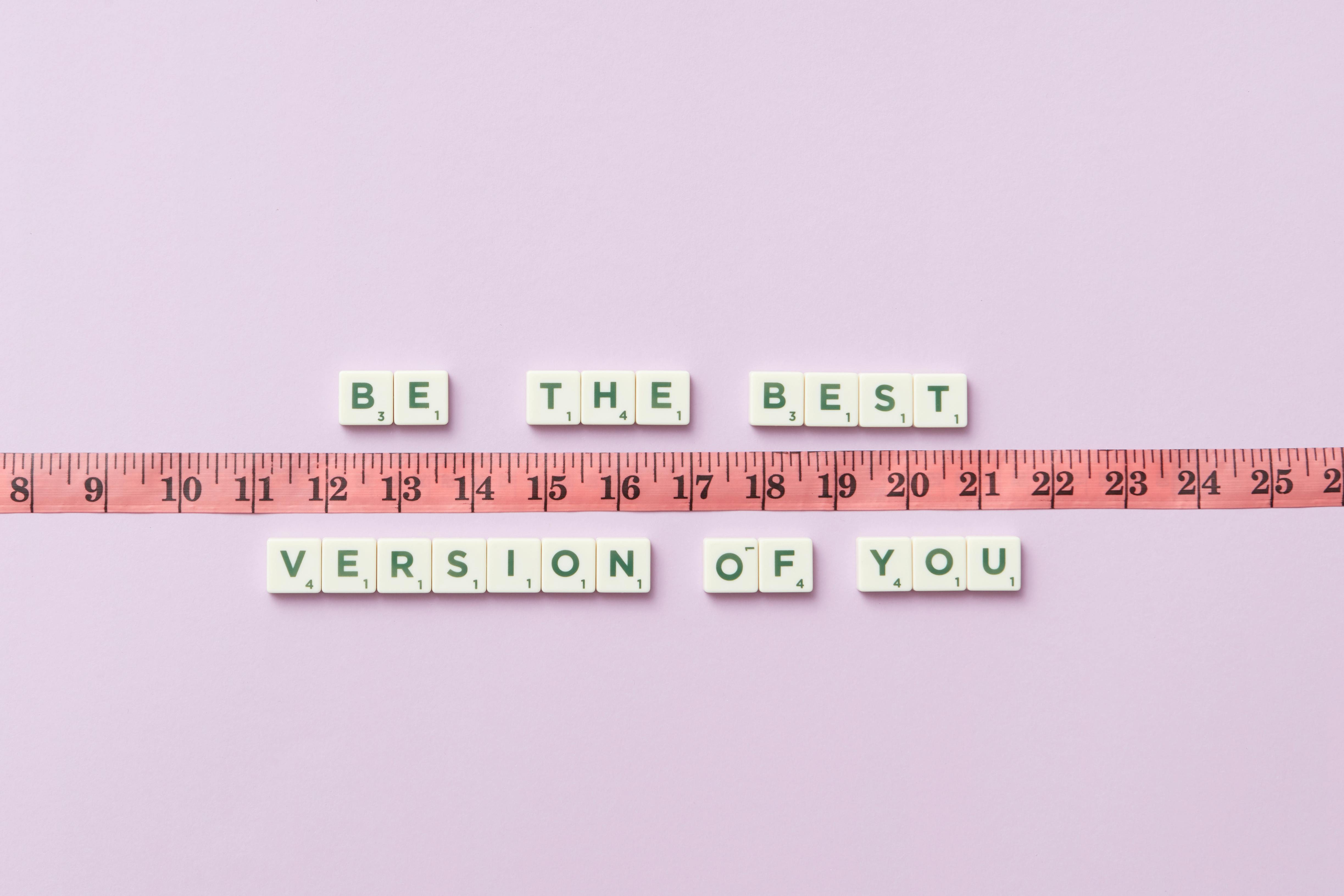
Recently, I was talking with a group of young professionals about social comparison—the tendency to view your self-worth based on how you measure up against others.
In the age of social media, this has become a daily challenge. When we scroll through feeds filled with career wins and big life milestones, it’s easy to ask yourself:
👉🏼Am I falling behind?
👉🏼Am I not as good as them?
It’s a slippery slope. And for many of us, stepping away from social media isn’t realistic because it’s tied to school, work, or networking. So what do we do? Here are two shifts that have helped me:
If you notice yourself getting caught in comparison, take a step back. Not all scrolling is equal—try engaging with content that has nothing to do with the accomplishments of your peers.
When I reflect on my progress, I don’t compare myself to others. I compare myself to where I was last month or last year. Self-comparison is the only way to actually measure growth.
The Science: Social media creates an unlimited opportunity for upward comparison—comparing ourselves to people we perceive as doing better than us. Research shows that frequent upward comparison is linked to lower self-esteem and increased symptoms of depression. But there’s a flip side: temporal comparison (comparing your current self to your past self) is associated with greater insight and progress. It shifts your brain’s focus from competition with others to personal growth.
Take-home Strategy: Feeling trapped in the social comparison cycle? Here are a few things you can do:
✅ Notice when social comparison starts — awareness is step one
✅ Whether it’s reducing screen time or adjusting who you follow, find intentional ways to avoid content that triggers social comparison
✅ Set small, personal goals and track your own progress over time
Remember—the goal isn’t to keep up with everyone’s highlight reels. It’s to build a life that feels authentic to you.
Want to Learn More? Check out these References
Warrender, D., & Milne, R. (2020). Social media, social comparison and mental health. Nursing times, 116(3), 58-61.
Le Blanc-Brillon, J., Fortin, J. S., Lafrance, L., & Hétu, S. (2025). The associations between social comparison on social media and young adults’ mental health. Frontiers in Psychology, 16, 1597241. https://doi.org/10.3389/fpsyg.2025.1597241
Gürel, Ç., Brummelman, E., Sedikides, C., & Overbeek, G. (2020). Better than my past self: Temporal comparison raises children’s pride without triggering superiority goals. Journal of Experimental Psychology: General, 149(8), 1554.
Stay connected: Subscribe here to make sure you don’t miss a single issue of The Synapse 👇🏻
Career & Collab Opportunities ❣️
Youth Collaborator Program - YouTube Series with Dr. Grill
Advise on the creation of our YouTube series, hosted by Dr. Grill. Youth Collaborators (ages 14+, US-based) will join paid, virtual focus groups as their schedules allow.
Learn more and apply here by May 15, 2026 for the summer program.
Note: if you are already a Youth Collaborator, you do NOT need to reapply.
#HalfTheStory's Digital Civics Academy
A free, one-week advocacy masterclass on digital wellness and responsible tech for youth advocates ages 15-21.
Learn more and apply here by May 22, 2206.
Youth and Young Adult Policy Summit
This event brings young people and policymakers together to showcase policies designed to improve services for youth and young adults.
Apply to be a speaker / panelist here by May 15, 2026.
BHT Impact HEAR/SAY
For youth and young adults ages 13–26 to share your insights on solutions that you and your communities need for better mental and behavioral health.
Learn more and apply here.
Morgan Stanley Virtual Webinar
Join this virtual webinar, taking place Wednesday May 27th at 9am PT, for a conversation on key factors shaping the mental health of boys and young men.
Learn more and register for free here.
DOSE Initiative Executive Team Positions
Volunteer-based roles shaping work at the intersection of gender equality and technology safety.
Remote positions, must be at least 15 years old.
Learn more and apply here by May 29, 2026.
SNF Global Center Research Fellowship
This competitive program will award two grants, each providing funding of up to 550,000 USD for a research project aimed at advancing child and adolescent mental health.
Designed for early-career researchers from host institutions in low- and middle-income countries.
Learn more and apply here by June 15, 2026.
UC Health Co-op Student
For university students to assist in the development, implementation, and evaluation of digital health solutions.
Learn more and apply here.
Featured Short - Your Brain’s Bright Side
A clip from our YouTube series on Resilience, now live! For more science and strategies on life’s ups and downs - watch the full YouTube series at this link.